


Challenges in Intercultural Communication
- 31 oct 2024
- 1 Min. de lectura
Intercultural communication, while enriching, presents a series of challenges that can hinder understanding and collaboration between people from different cultures.

These challenges arise from differences in:
Values: Each culture has a unique system of values that guides its behavior and beliefs.
Social norms: Rules of conduct and etiquette vary significantly across cultures.
Nonverbal communication: Gestures, facial expressions, and eye contact can have different meanings.
Perception of time: Cultures have different concepts of time, which can affect punctuality and planning.
Concepts of personal space: The physical distance that people feel comfortable maintaining varies by culture.

Vocabulary
Cultural barriers: Obstacles that prevent effective communication due to cultural differences.

Ethnocentrism: The tendency to judge other cultures from the perspective of one's own, considering it superior.

Misunderstandings: Incorrect interpretations of messages due to cultural differences.

Stereotypes: Simplified and often inaccurate generalizations about a group of people.
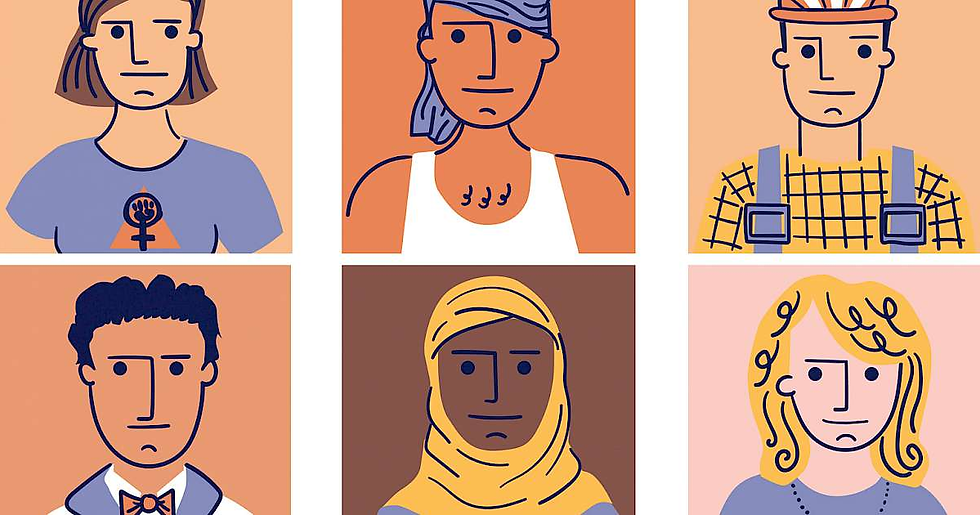
Prejudices: Preconceived, often negative, judgments about a group of people.

Nonverbal communication: Messages conveyed through gestures, facial expressions, etc.

Cultural context: The social and cultural environment that influences the interpretation of messages.

Cultural diversity: The variety of cultures and traditions within a society.

Cultural adaptability: The ability to adjust to different cultures and situations.

Interculturality: Interaction and dialogue between different cultures

Thanks for watching.


Comentarios